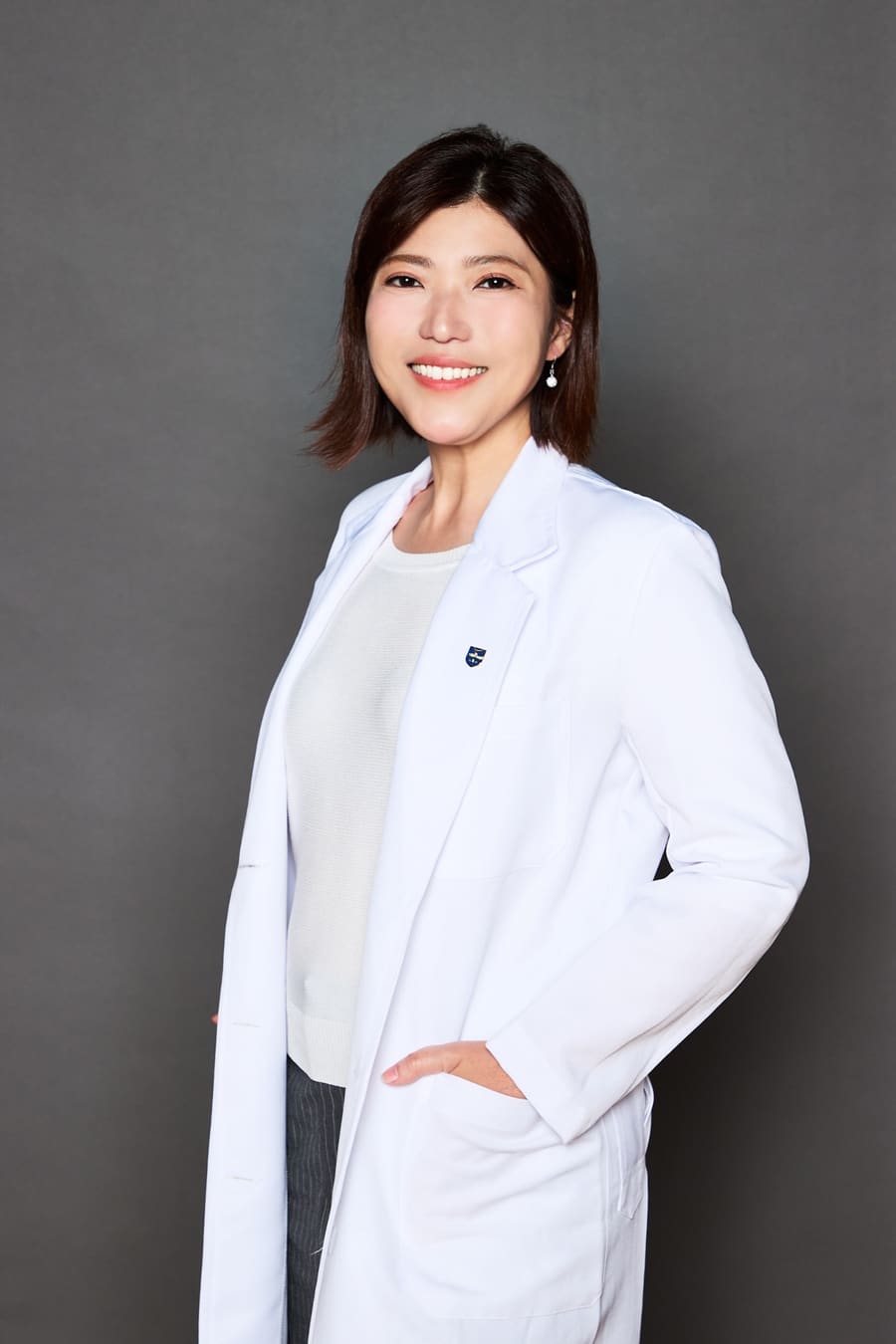
Chief Longevity Strategist
Dr TingTang
After twenty years on the wards in Britain and Taiwan, I keep seeing the same thing. People reach the cliff before they realise they were ever on the river. Longevity, in clinical terms, was never a perfect number on a chart. It is the older idea the Chinese called tian ren he yi — living in time with your own nature instead of fighting it. My work is to give that instinct a Western evidence base, and to start before the next decade arrives.
My story
I left home at seventeen — a teenage girl, alone, flying to Britain for medical school. Britain more or less invented modern geriatric medicine: Marjory Warren's ward in the 1930s, the British Geriatrics Society in 1947, decades of quiet NHS work the rest of the world went on to copy. I was trained in its hardest, least sentimental tradition of evidence. And I fell in love with the one specialty that doesn't open by asking what disease you have. It opens by asking how you want to live.
I came home to Taiwan and joined the Centre for Geriatric Medicine at Taipei Veterans General Hospital. There I learnt the second lesson: everything the NHS had taught me about ageing well had to be re-fitted to a culture with different families, different tables, and a different reverence for age. The 9S Framework is that re-fitting — Western evidence on one side, and on the other the things Chinese medicine and philosophy had quietly worked out centuries earlier. I have come to think of this as my real work: standing on the bridge between the two, and letting each one correct the other.
People expect a doctor to lead with force, and a woman to lead with warmth. I stopped choosing. The West gave me the strength to read a hard chart without flinching and to say the difficult thing plainly. The East gave me the patience to work with a body rather than override it. Strength and softness were never opposites — held together, they are simply what good medicine feels like.
There is a question I cannot stop asking, every time I admit a patient who is already past the point I would have liked to meet them. Why did nobody give this person a plan thirty years ago?
The course on this site is my attempt to answer that question. Not as a wellness programme. As pre-emptive geriatric medicine, written for the people who don't yet need a geriatrician — and who, if they pay attention now, will need one a lot less later.
Training and credentials
Public service
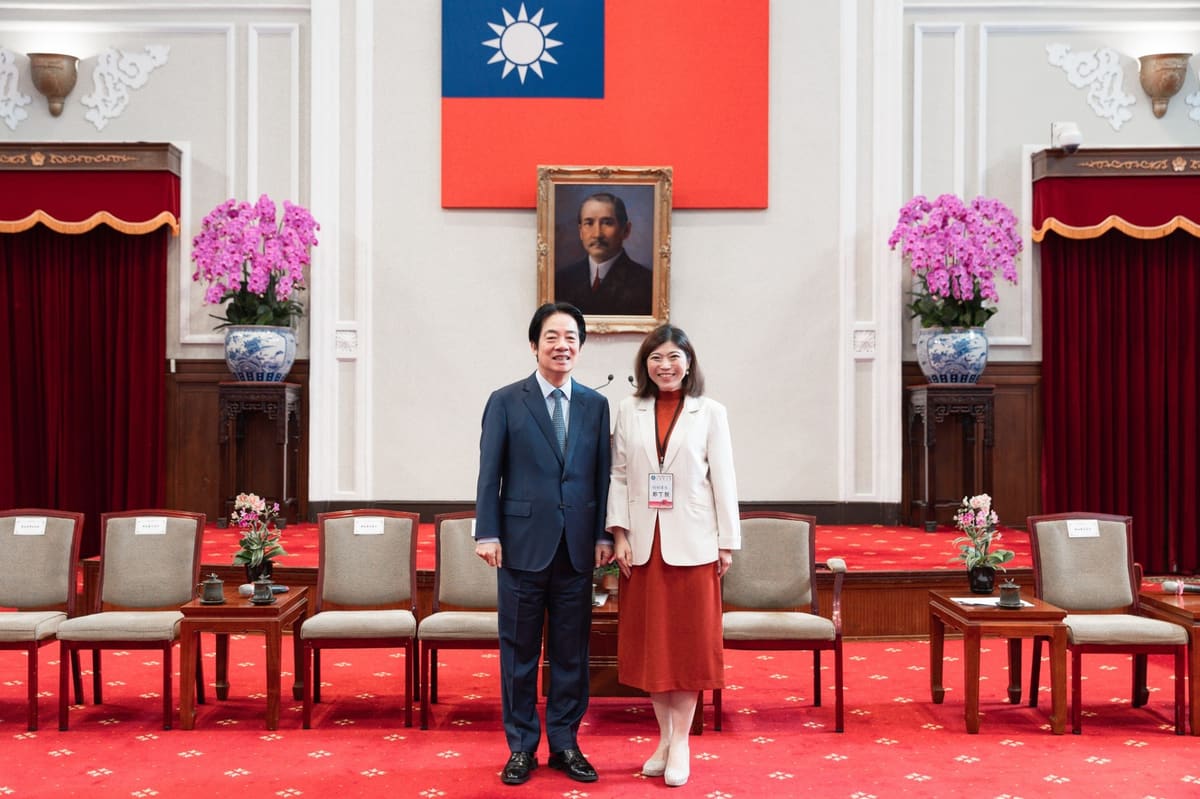
Representing primary-care clinicians at the Presidential Office, joining a policy discussion on whole-person care and chronic-disease management.
A clinic isn't only a place people go when they're already ill — it is the neighbourhood's first line of defence.
In 2025 I was invited to represent primary-care clinicians at the Presidential Office, joining a policy discussion with President Lai Ching-te on whole-person care and chronic-disease management. A doctor's responsibility extends past the consultation room, and into the design of the system that decides who gets early care and who doesn't.
Media — selected appearances
Featured appearances
Publications
During MRCP training I co-authored two clinical books with Doctors Academy Publications in the UK — both written for medical students preparing for the bedside and the OSCE. That is where the line that runs through everything I do now actually starts: putting senior clinical reasoning into a form the next generation can actually use.
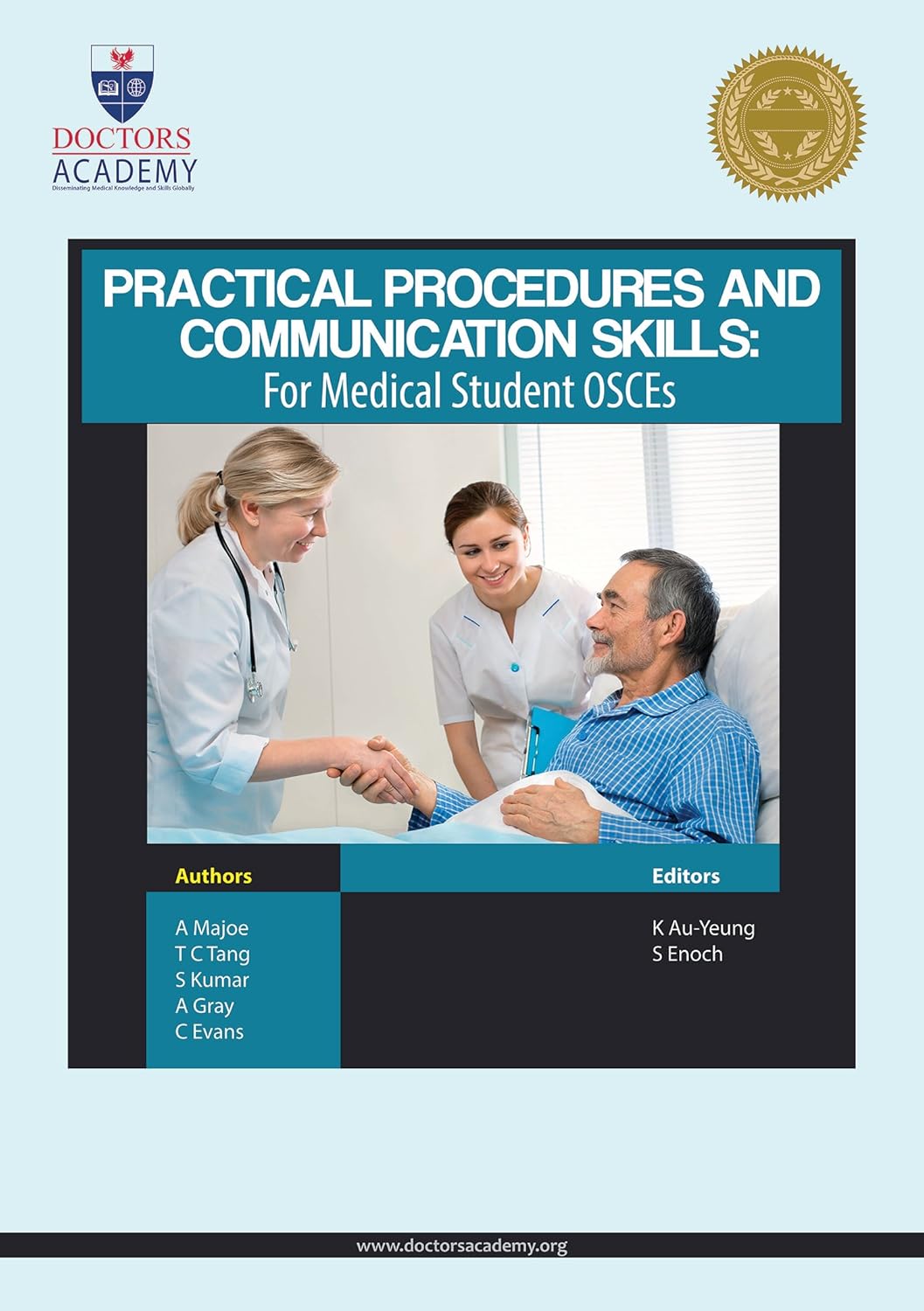
Focused Clinical Examination Essentials for Medical Students
Doctors Academy Publications, UK · 2012 · First Author · 145 pp.
Senior bedside diagnosis, broken down for the medical student.
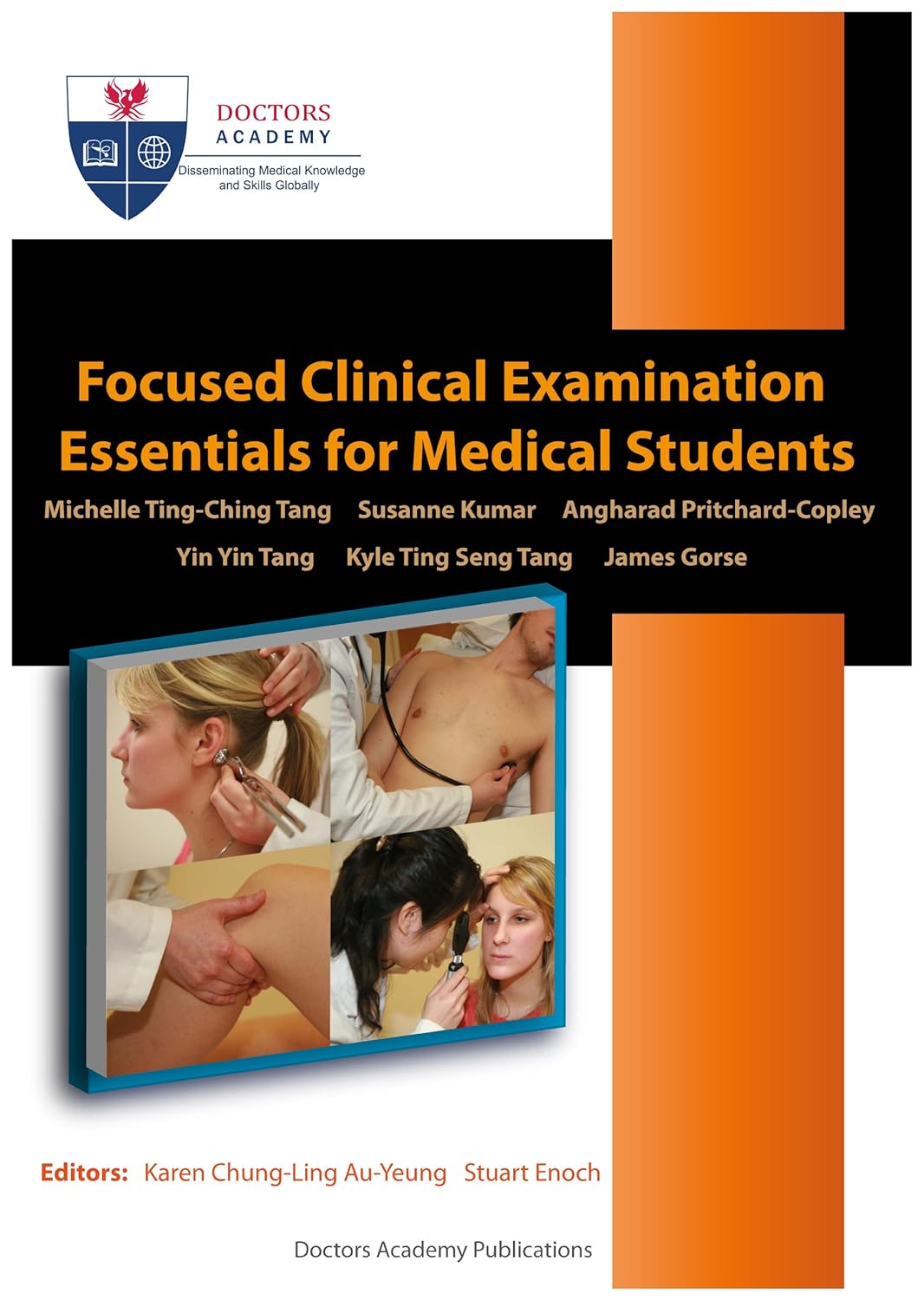
Practical Procedures and Communication Skills for Medical Student OSCEs
Doctors Academy Publications, UK · 2013 · Second Author · 164 pp.
The procedures, and the conversation around them.
Selected peer-reviewed publications
Selected Publications · 2017
Tang TC et al. FNIH-defined sarcopenia predicts adverse outcomes among community-dwelling older people in Taiwan: results from I-Lan longitudinal aging study. The Journals of Gerontology: Series A, 73(6):828–834, 2017.
Wang CJ, Tang TC et al. Less than one-fifth of people aged 75 years or older in the real world were suitable for SPRINT results. Journal of the American Medical Directors Association, 18(3):271–272, 2017.
Hung CH, Tang TC et al. Recurrent falls and its risk factors among older men living in the veterans retirement communities: a cross-sectional study. Archives of Gerontology and Geriatrics, 70:214–218, 2017.
Hung CH, Tang TC et al. Impact of living arrangements on clinical outcomes among older patients with dementia or cognitive impairment admitted to the geriatric evaluation and management unit in Taiwan. Geriatrics & Gerontology International, 17:44–49, 2017.
Wang CJ, Hung CH, Tang TC et al. Urinary incontinence and its association with frailty among men aged 80 years or older in Taiwan: a cross-sectional study. Rejuvenation Research, 20(2):111–117, 2017.
The second half of your life is yours to define.
Start planning now, while the cost of changing your trajectory is still small.